

🕯️ Content note: This piece discusses homicide and systemic failure. Please take care while reading.

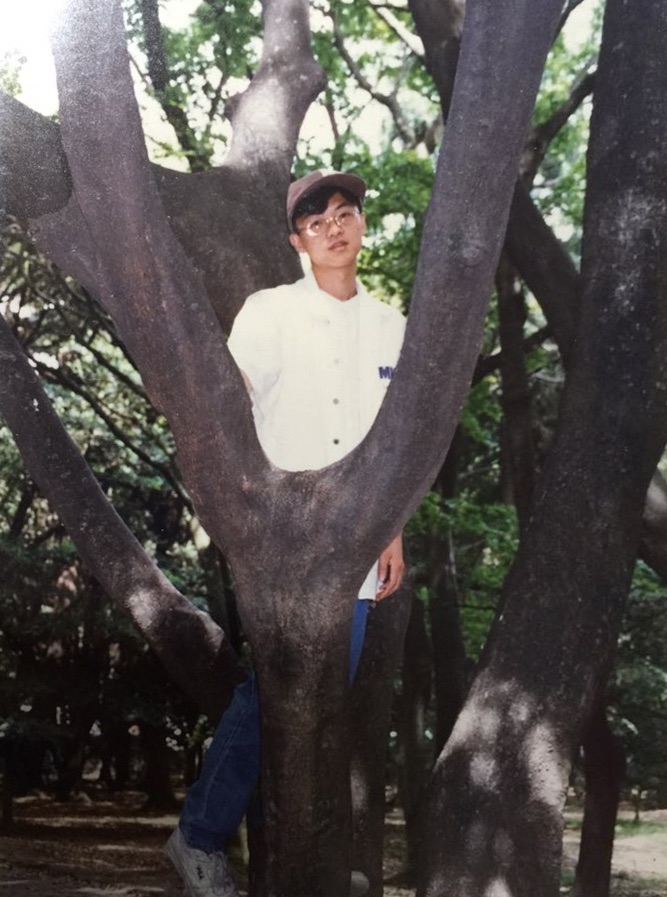
On April 3, 1997, a 22-year-old college student named Cho Jung-pil walked into a Burger King in Itaewon, Seoul.
He never walked out.
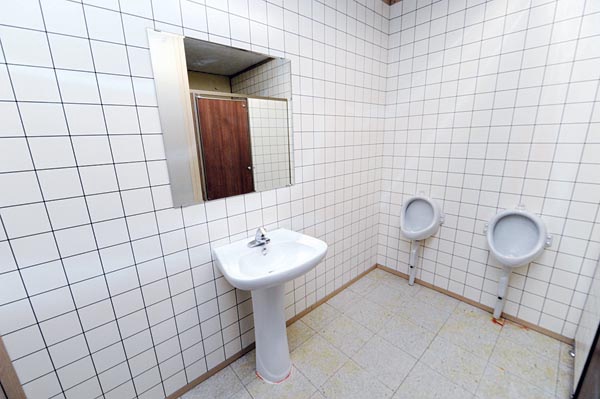
Cho was stabbed to death in the restaurant’s bathroom — a sudden, violent act committed in a public place, in a neighborhood known for nightlife, foreign military presence, and visibility. What followed was not just a murder investigation, but one of South Korea’s most painful examples of delayed justice.
What happened
Cho Jung-pil entered the Burger King in Itaewon late at night. Inside the restroom, he was attacked and fatally stabbed. Two American teenagers were present at the scene:
• Arthur John Patterson
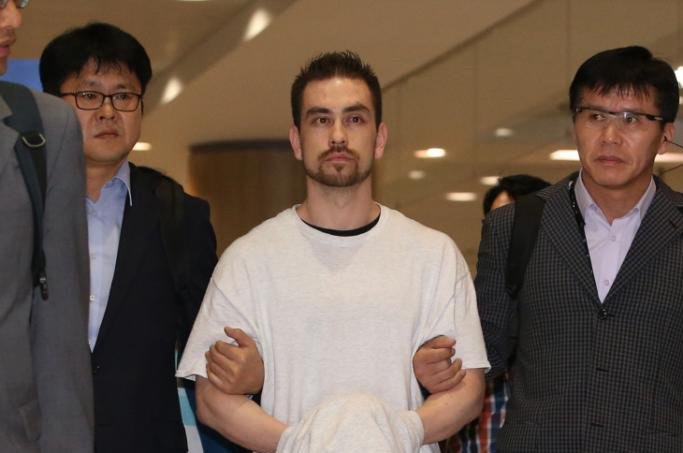
• Edward Lee
Both were sons of U.S. military personnel stationed in South Korea.
From the beginning, evidence suggested that one of these two young men committed the murder, while the other was involved or complicit in some capacity. Yet almost immediately, the investigation began to unravel.
What went wrong
The case became infamous not because the crime was impossible to solve — but because it wasn’t handled properly.
Key failures included:
• improper crime scene preservation
• mishandled or lost physical evidence
• conflicting statements that were never adequately reconciled
• jurisdictional complications tied to U.S. military status
In 1999:
• Edward Lee was acquitted
• Arthur Patterson left South Korea and returned to the United States
For Cho Jung-pil’s family, the message was devastatingly clear:
their son’s case was no longer a priority.
Years without justice
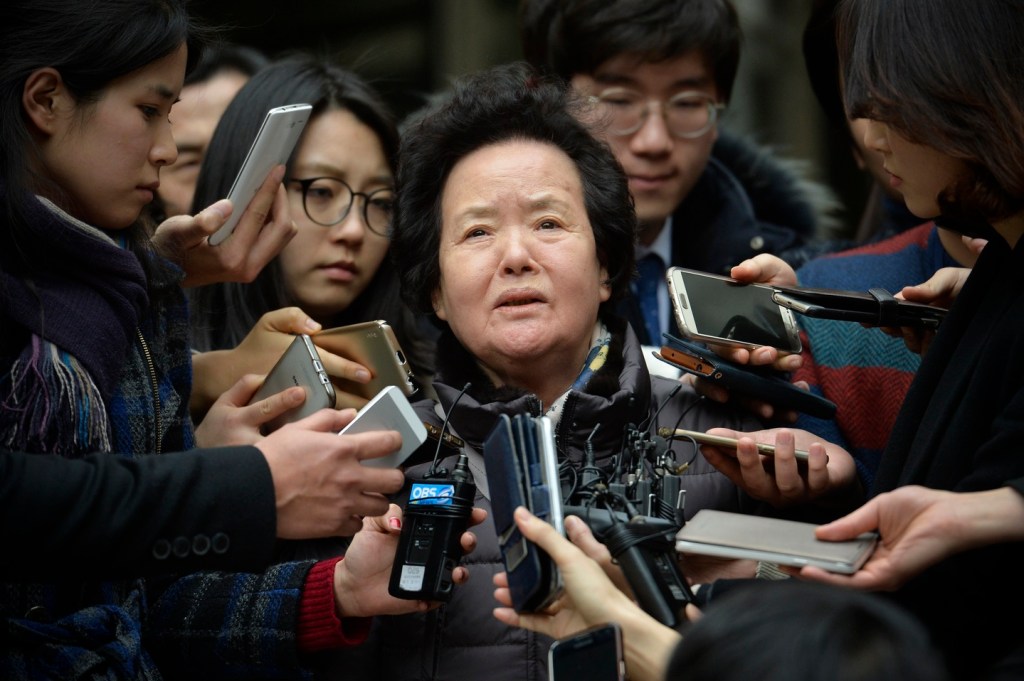
For more than a decade, Cho’s family continued to fight.
Public frustration grew as the case came to symbolize:
• unequal accountability
• power shielding itself
• and the limits of justice when foreign jurisdiction is involved
The murder was no longer just about one young man — it became about whose lives were protected, and whose were allowed to disappear into bureaucracy.
A delayed reckoning
In 2011, Arthur Patterson was finally extradited back to South Korea.
In 2015 — nearly 18 years after Cho Jung-pil’s death — Patterson was convicted of murder and sentenced to 20 years in prison.
The conviction acknowledged what many had known all along:
this case should never have taken nearly two decades to resolve.
Why this case still matters
Cho Jung-pil did not die anonymously — but justice for him was postponed by power, politics, and negligence.
The Itaewon Burger King murder forced South Korea to confront uncomfortable truths about:
• investigative failures
• foreign military jurisdiction
• and how easily accountability can be delayed when it becomes inconvenient
Justice eventually came — but it came late, and at a cost no family should ever have to pay.

Closing
This is why Short N Sweet exists.
Not to sensationalize violence —
but to remember names, timelines, and failures that should not be repeated.
Cho Jung-pil was 22 years old.
He deserved more than silence.
🕯️ Up next:
Episode Two — Jang Ja-yeon (2009): When Speaking Out Wasn’t Enough
— L.W. 🩷
 True Crime & spooky Stories
Leave a comment